How Milwaukee Shaped Sound from Blues to Indie Rock
The Milwaukee music scene has always operated a little differently. It has never chased the spotlight like Chicago or New York, but that independence is exactly what allowed it to grow into something unique.
From early blues and jazz clubs to punk basements and indie studios, Milwaukee has consistently produced artists and sounds that push against the mainstream. The result is a music culture rooted in authenticity, experimentation, and local pride.
Today, Milwaukee stands as one of the Midwest’s most underrated music cities, with a legacy that stretches across generations and genres.
Early Roots: Blues, Jazz, and Polka Traditions

Milwaukee’s music story begins with a mix of cultural influences shaped by European immigrants and Black musicians who arrived during the Great Migration.
Polka became a defining sound across early Wisconsin communities, especially among German and Polish populations, with dance halls and neighborhood gatherings keeping the tradition alive for decades. At the same time, blues and jazz took root in Milwaukee’s clubs and taverns, particularly on the city’s north side. Venues along Walnut Street and beyond became important stops for touring acts and a home base for local musicians building their craft.
Artists like Alberta Adams, who got her start in Milwaukee before rising to national recognition, reflect how deeply these early scenes were connected to the broader American music landscape.
Together, these influences laid the foundation for what Milwaukee would become: a place where different musical traditions don’t just coexist, but continuously influence each other and create something new.
The Rise of Rock and Alternative (1970s–1980s)
This era produced one of the city’s most iconic exports: Violent Femmes, whose raw, acoustic-driven sound cut against the polished production of the time and helped shape early alternative rock.
Around them, a wider scene was taking form. Bands like Die Kreuzen brought a heavier, experimental edge to hardcore, while The BoDeans blended heartland rock with a roots-driven sound that gained national attention.
At the same time, Milwaukee’s underground was growing louder and more unpredictable. Groups like The Haskels and Oil Tasters leaned into punk and art-rock influences, playing small venues, basements, and DIY spaces across the city. These shows were fast, gritty, and unfiltered, driven more by community than commercial success.
That independence became a defining trait of Milwaukee’s music culture, creating an environment where artists could take risks, evolve their sound, and build something real without waiting for outside validation.
DIY Culture and Indie Growth (1990s–2000s)

In the 1990s and early 2000s, Milwaukee leaned even further into its DIY identity.
Small venues, house shows, and independent labels gave artists space to experiment without pressure. This era saw bands like The Promise Ring, Maritime, and Decibully help define Milwaukee’s place in the indie and emo scenes, building followings that reached well beyond the city.
This period helped solidify a tight-knit creative community where musicians supported each other and audiences stayed deeply connected to local talent. While nearby cities often drew more national attention, Milwaukee quietly developed a reputation as a place where artists could refine their sound, take risks, and build something lasting without needing to leave.
A Modern Scene with Deep Roots
Today, Milwaukee’s music scene blends its history with a modern edge.
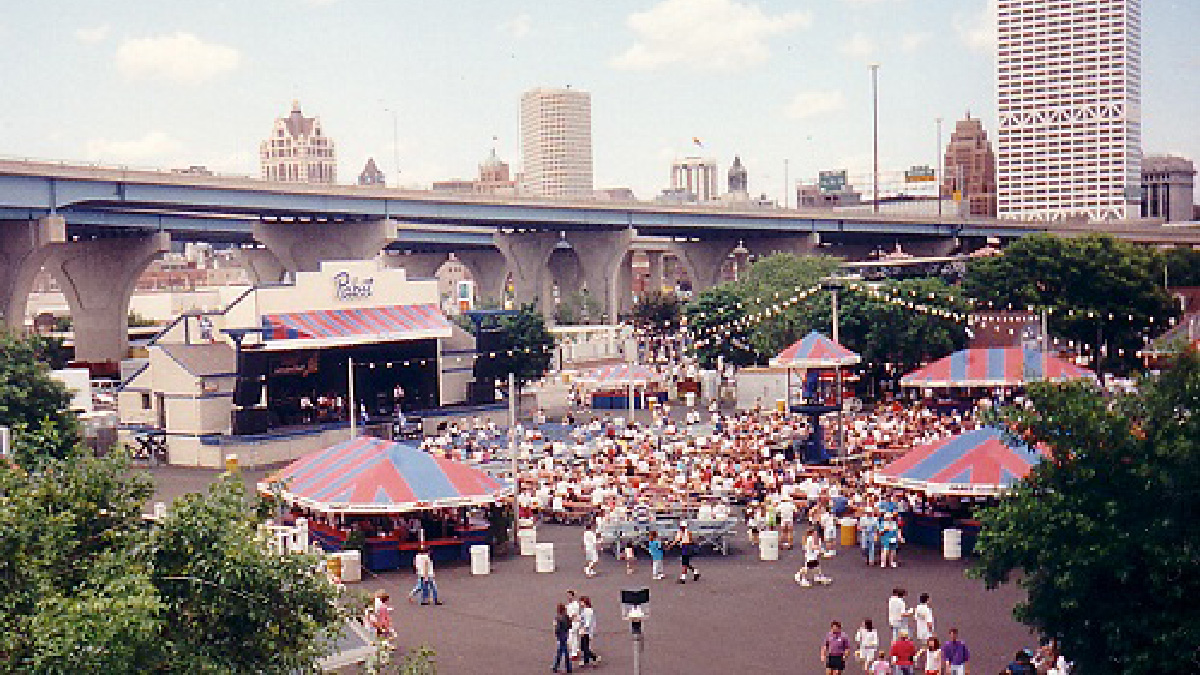
Events like Summerfest, one of the largest music festivals in the world, bring global acts to the city each year. At the same time, local venues continue to support emerging artists across genres like indie rock, hip hop, electronic, and folk.
What makes Milwaukee stand out is its balance. Major events draw attention, but the heart of the scene still lives in smaller spaces where artists can take risks and audiences stay close to the music.
Final Thoughts
Milwaukee’s music scene has never followed a straight path, and that is exactly what makes it so interesting. From early jazz and blues to punk, indie, and today’s festival-driven crowds, the city has built its sound in layers. Each era leaves something behind, shaping what comes next.
It’s a scene defined by independence, local pride, and artists who carved their own lanes instead of chasing trends. That spirit still shows up today, whether it’s in small venues, summer festivals, or the next wave of musicians finding their footing.
But what do you think?
Are there Milwaukee artists or bands that deserve more recognition? Did we miss a key part of the city’s music history? Share your thoughts in the comments and let us know what Milwaukee music means to you.